80.2%
SWE-Bench Verified
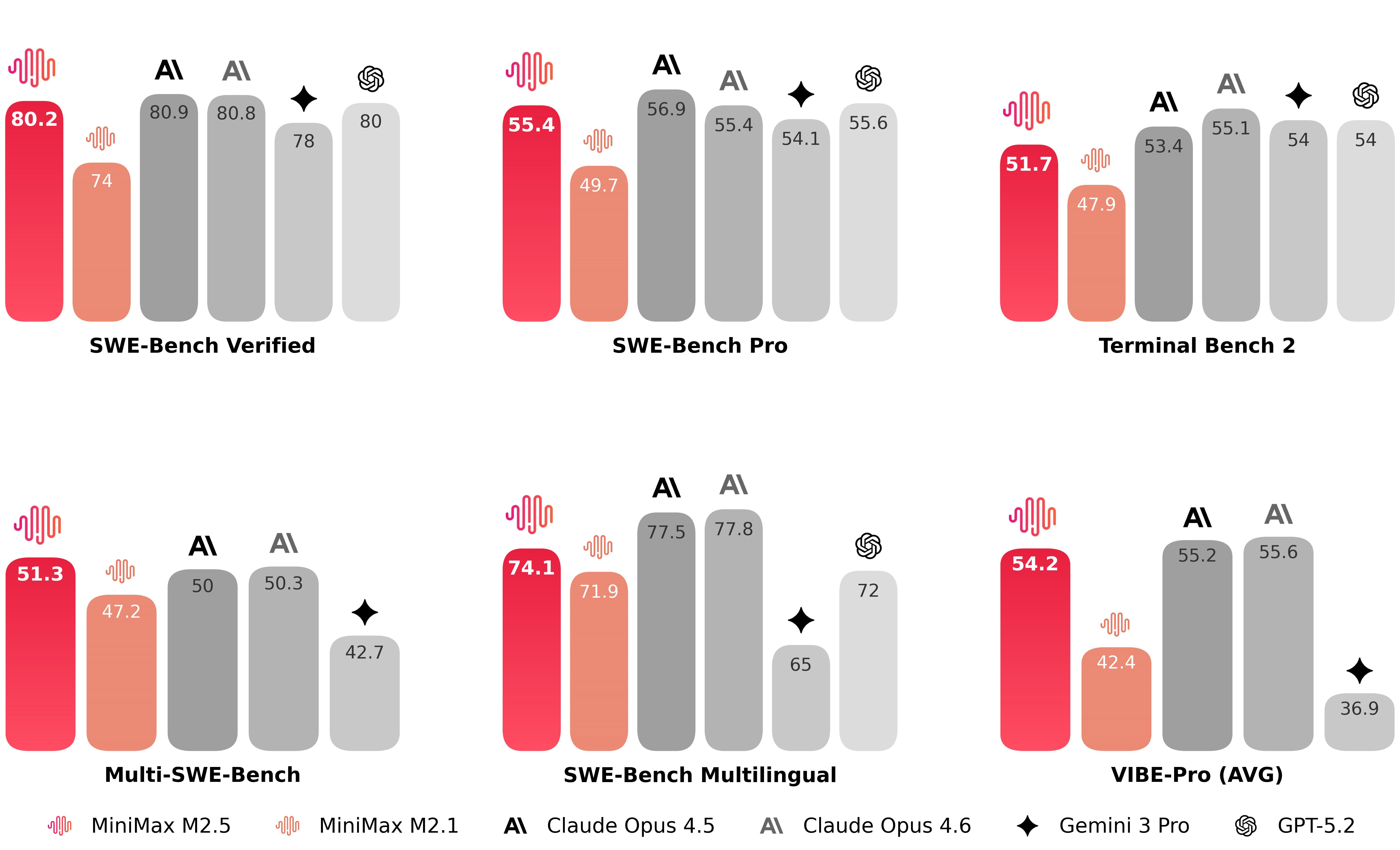
State-of-the-art on the industry-standard code repair benchmark, averaged over 4 runs
The frontier coding and agentic model trained across 200,000+ real-world environments. SOTA on SWE-Bench Verified, BrowseComp, and Terminal-Bench with a 200K-token context window.
Run MiniMax-M2.5 continuously for one hour at 100 tokens/s for under $1.
Industry-leading performance across coding, search, and agentic tasks
State-of-the-art on the industry-standard code repair benchmark, averaged over 4 runs
Leading performance on multi-repository, cross-project software engineering tasks
Best-in-class web research and information retrieval with context management
Process extensive codebases, long documents, and multi-turn agent sessions in a single context
Architect-level planning meets SOTA execution
MiniMax-M2.5 approaches complex projects the way a senior software architect would: decomposing requirements, planning structure, and designing interfaces before writing a single line of code. This spec-writing behavior emerged naturally during reinforcement learning across 200,000+ real-world environments.
Smarter decisions, fewer rounds, better results
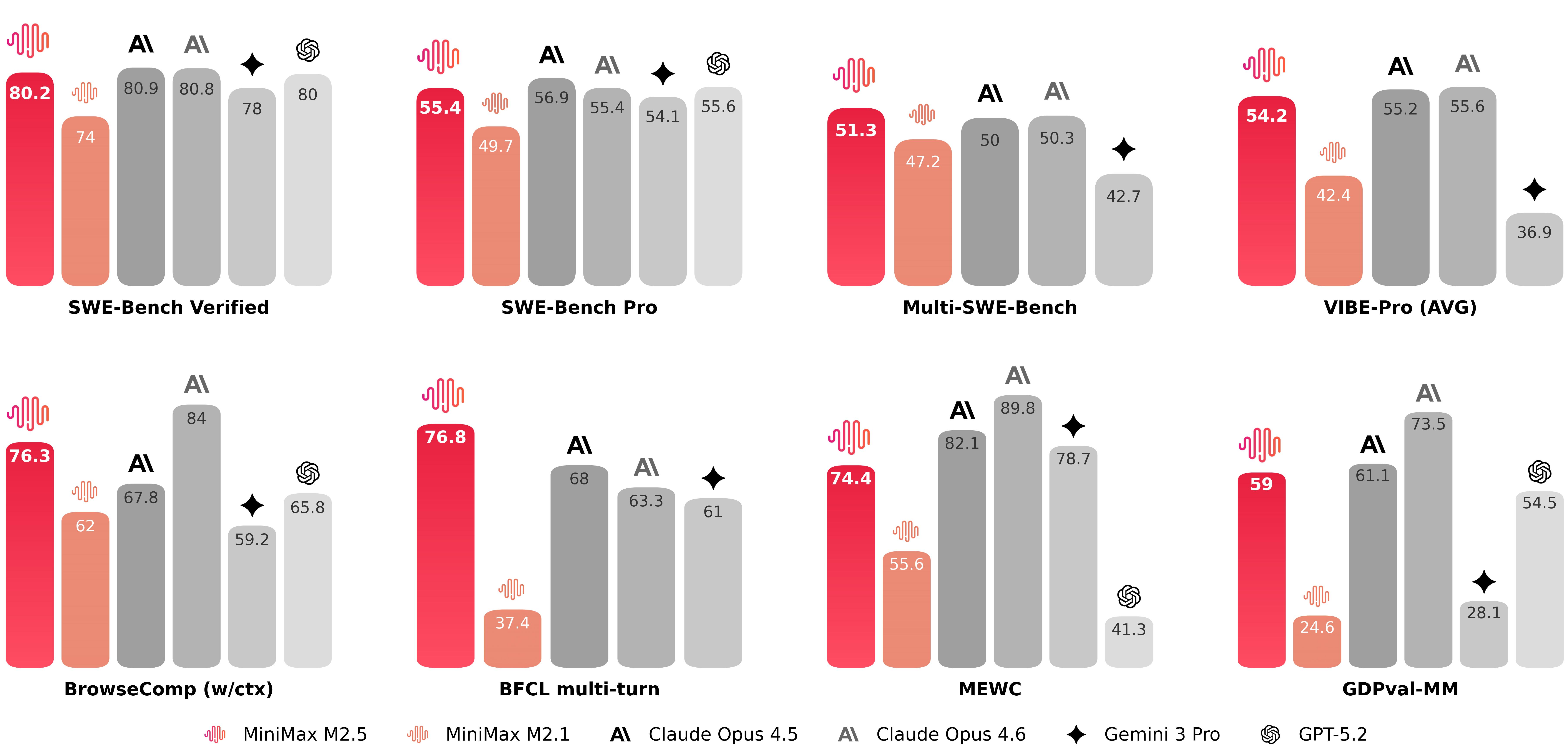
MiniMax-M2.5 achieves industry-leading performance on BrowseComp and Wide Search while using approximately 20% fewer reasoning rounds than M2.1. The model has learned to solve problems through more precise search strategies and better token efficiency — not just getting the right answer, but finding it through more efficient paths.
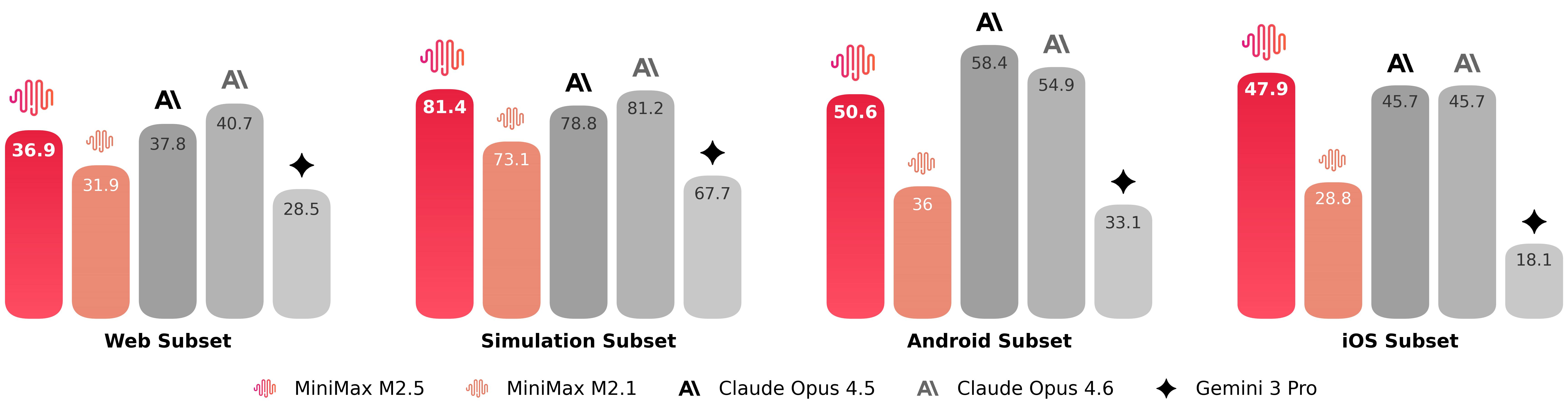
Enterprise-grade document intelligence and financial modeling
MiniMax-M2.5 brings frontier-model capabilities to real enterprise workflows. From Excel competitions to financial modeling, the model handles composite instruction constraints and multi-step business processes that demand both precision and domain expertise.
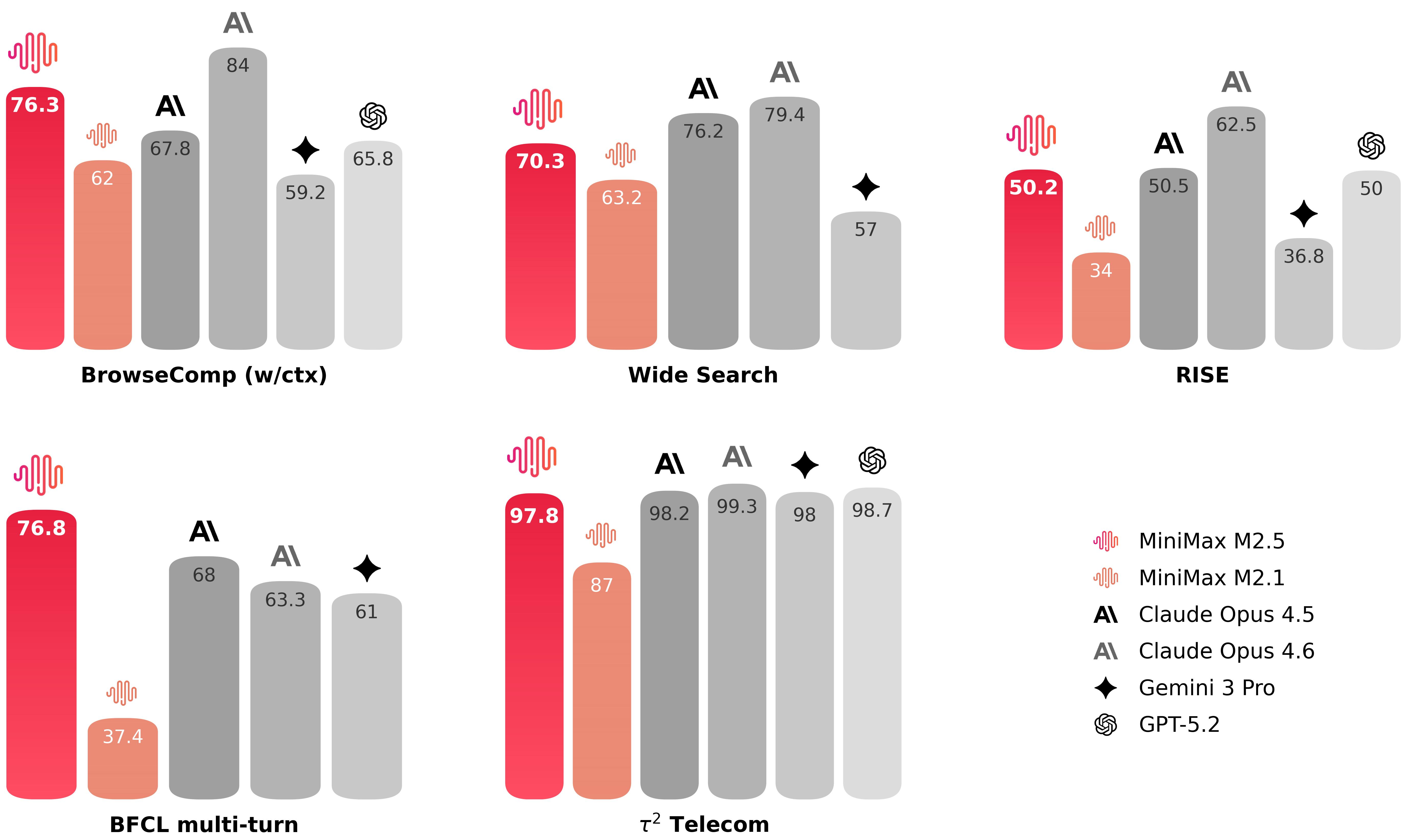
Efficient reasoning that translates to real-world performance
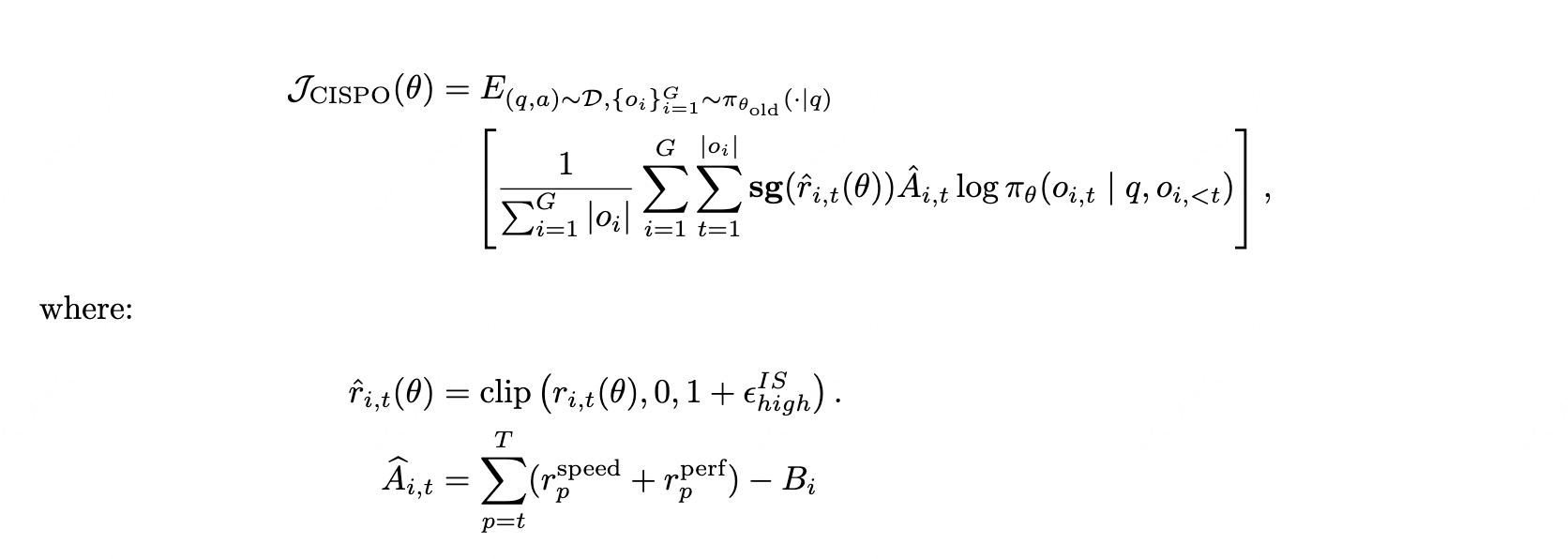
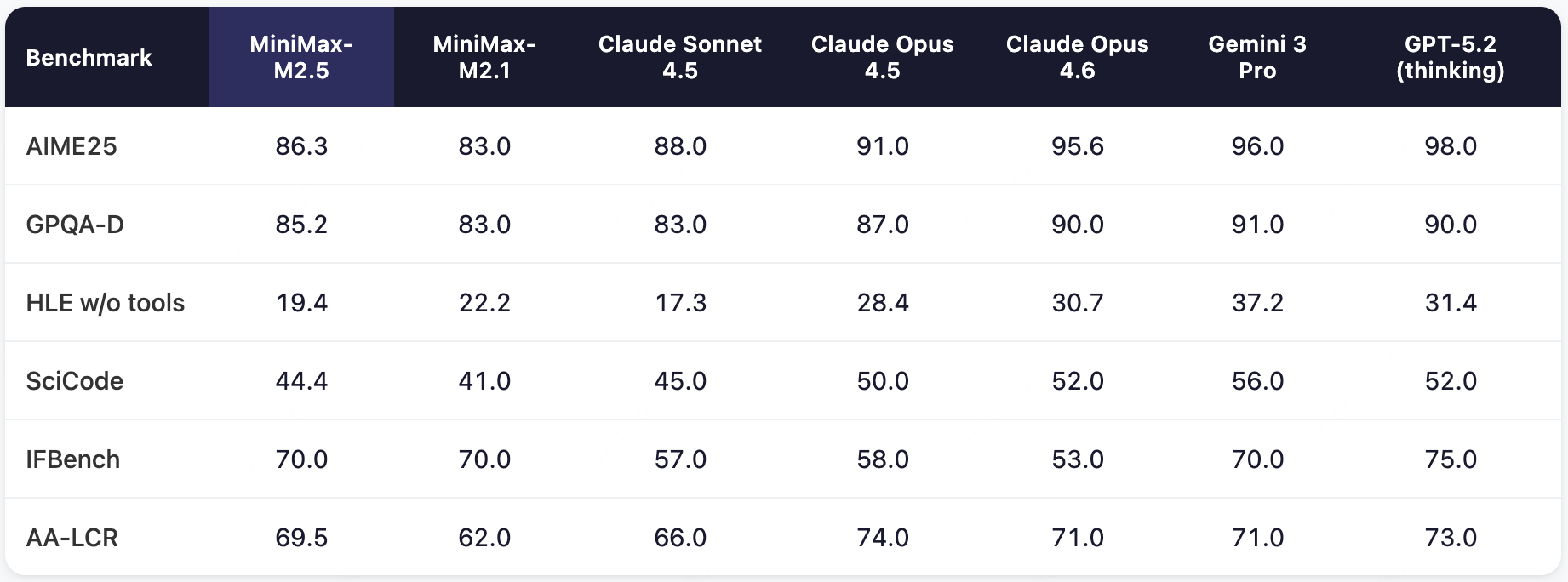
Trained with reinforcement learning to reason efficiently and decompose tasks optimally, MiniMax-M2.5 delivers strong performance across mathematics, science, and general knowledge benchmarks while maintaining the practical focus that defines the M2 family.
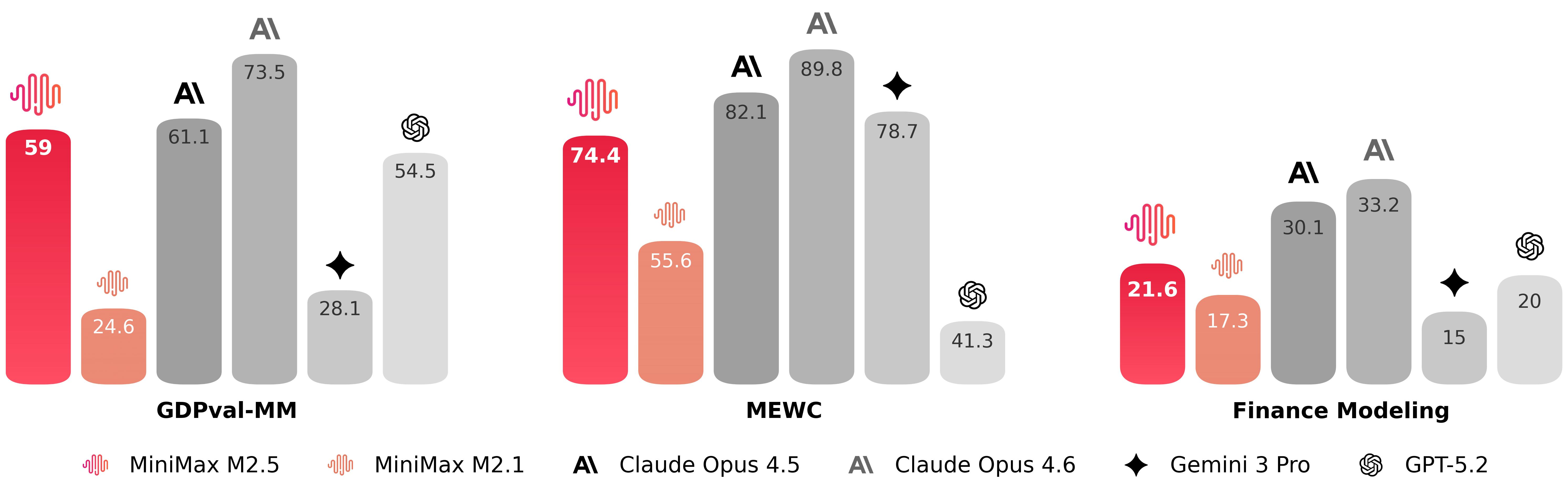
Intelligence too cheap to meter
MiniMax-M2.5 delivers frontier performance at a fraction of the cost. Trained to reason efficiently, the model completes complex agentic tasks significantly faster while consuming fewer tokens per task.
Completes SWE-Bench Verified 37% faster, matching Claude Opus 4.6 speed
Run MiniMax-M2.5 continuously at 100 tokens/second for under $1 per hour
Achieves better results with ~20% fewer rounds across agentic tasks vs M2.1
Pricing
Input
$0.50 / 1M tokens
Output
$1.50 / 1M tokens
Comprehensive benchmark results
Detailed evaluation data across coding, search, office, reasoning, and general intelligence benchmarks.
Start building with MiniMax-M2.5
Experience SOTA coding, 200K context, and architect-level planning at $0.50 / $1.50 per million tokens.